
Beach Time Heavy Work
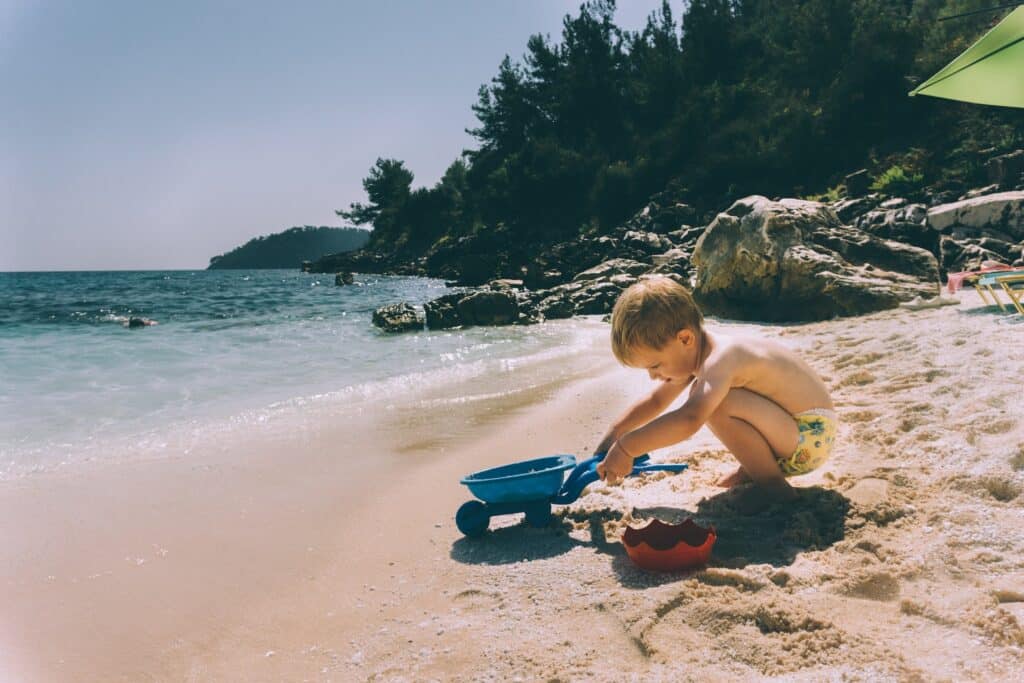
Heavy work, or proprioceptive input, helps to provide the muscles and joints with calming and organizing deep touch pressure. This input can also help to encourage body awareness by allowing for input that helps you to identify where your body is in space. Summer is a time for relaxation, fun, and adventure! No matter where you are or what summer adventures you choose to explore, having activities to encourage heavy work is important to have on hand!
Benefits of Crawling
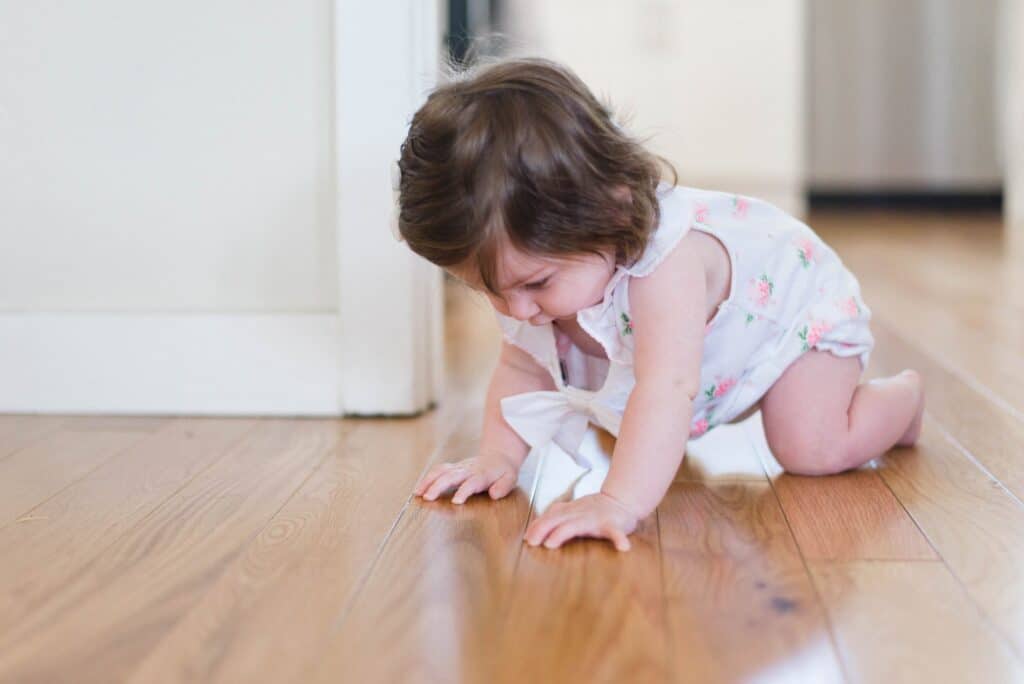
Why is crawling so important? Crawling is an important part of development. Literature indicates there is a strong link between movement, the brain, and learning (Krog, 2015). As a baby begins to move around their environment, they are increasing their awareness of their surroundings, fostering their sensory-motor development as they begin to touch, explore, and see new experiences. Crawling also provides a strong foundation for the development of higher level motor skills.
Bathtime Tips
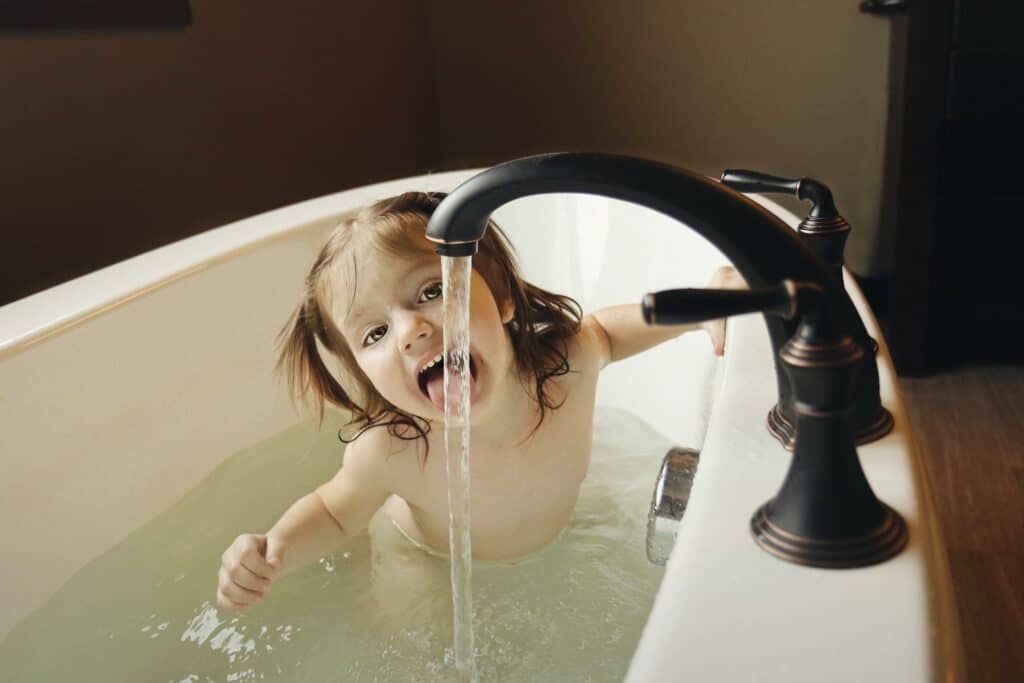
For some parents bathtime can be a fun and/or relaxing experience. For others, bathtime can be quite challenging. It often causes a negative reaction in children with sensory processing difficulties. Some things that might trigger a negative reaction in kids include: the sound of running water, water temperature, bathroom lights, the smell of soap or shampoos, fear of getting soap in the eyes, the feeling of being wet after washing, and the feeling of being towel dried. The best way to make bath time more enjoyable is to limit fears and incorporate some of your child’s favorite activities and toys.
Tips for Traveling with Kids during the Summer!
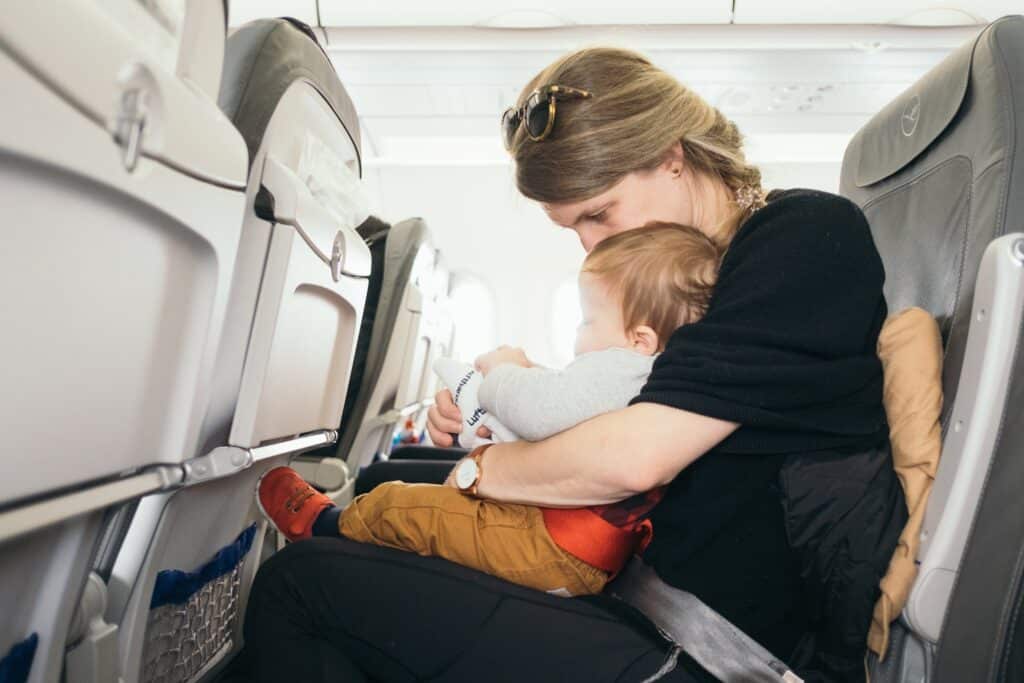
As summer approaches planning family trips, whether it’s a road trip to the Poconos or a plane
ride to Disneyland, always guarantees a fun summer full of amazing memories. Sometimes
traveling to our destination takes a long time, making it difficult for kids to get their needs met
while in a confined space for a long period of time. This can result in sensory overload or a lack
of sensory input and lead to meltdowns. Below is a list of ideas you can use to provide your
child with adequate sensory input in order to limit meltdowns and make more family
memories.
Sensory Strategies for a Summer Full of Fun and Learning

Summer is here, and it brings a world of opportunities for children with sensory processing differences to thrive through fun outdoor activities. This post is your guide to practical advice and exciting sensory activities that can be enjoyed during the sunny summer months. These strategies are inspired by the principles of Ayres Sensory Integration, a therapy approach designed to support children with sensory processing differences.
What is Interoception?
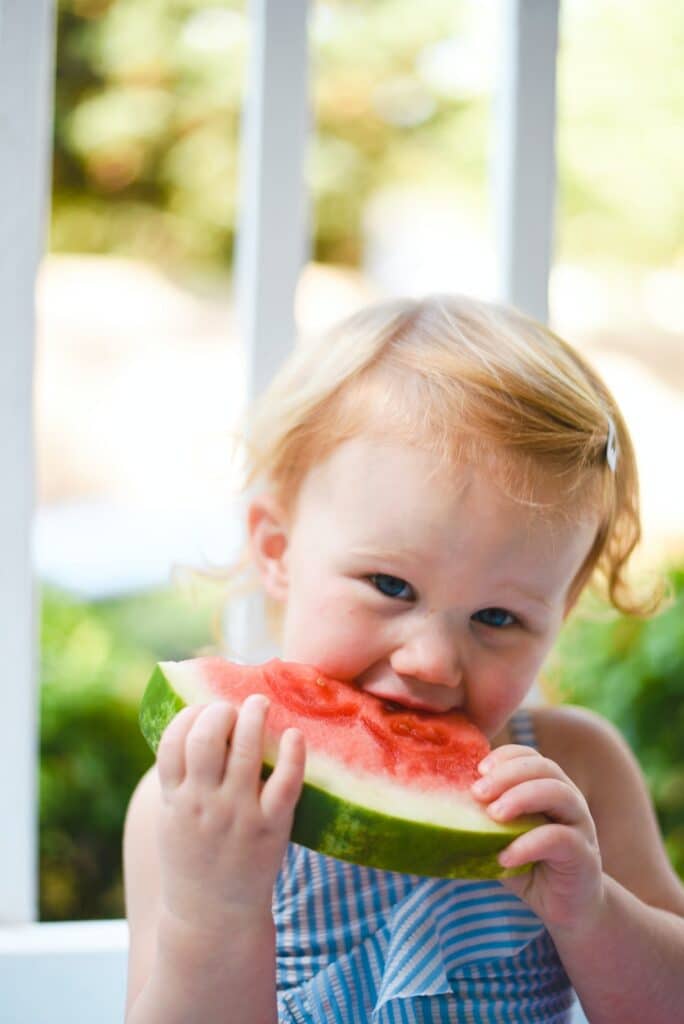
We are all familiar with the senses of touch, taste, smell, but you’ve likely never heard of our 8th sense: Interoception. Interoception is our 8th sense which allows the body to send signals to the brain in order for us to be aware of our bodily cues. These signals allow us to recognize internal physical […]
Benefits of Playing in the Rain

Stop saying no to playing in the rain and start saying yes! By letting kids play in the rain you can improve their independence, provide them with sensory experiences, and improve their motor skills. When going out in the rain whether it’s to play or go to school, you should always dress appropriately. What better time to learn something than when you’re motivated by play? When planning to go out in the rain, you have to think about what you need to wear to remain dry such as rain boots, rain jackets, and maybe even an umbrella!
Risky Play

What does risky play have to do with occupational therapy? Play is the most important occupation for children. It helps them develop many crucial skills, which aids in developing a well-rounded child. Many, if not all of the activities listed above, provide proprioceptive and vestibular input to the body, which helps children develop their sense of body and safety awareness. Proprioceptive input provides sensory input to the receptors in our muscles and joints while vestibular input is our sense of movement and balance. When given both types of input, children have a better understanding of where their body is in space and can help them feel more regulated.
Oral Motor Activities for Proprioceptive Input

Does your child like crunchy foods? Do they like to chew gum? Do they move their mouths
when they are overstimulated or stressed? If you see these behaviors, your child may be seeking
proprioceptive input to calm and organize their body through their oral system. Along with fun
activities like crashing into mats, jumping on a trampoline, wall pushups, and animal walks, you
can help your child receive the same proprioceptive input through oral motor activities.
Praxis & Motor Planning

Praxis? Motor Planning? You may have come across these terms but what does it all really mean? Praxis includes ideation, execution, and motor planning. It is defined as the ability to ideate and translate an idea into action that is unfamiliar or novel (Ayres, 1989). Motor planning is the ability to sequence and organize motor movements in a coordinated manner to complete unfamiliar motor tasks. The ability to motor plan is critical to complete everyday tasks, including dressing, brushing your teeth, cooking, and even writing thoughts to paper.