
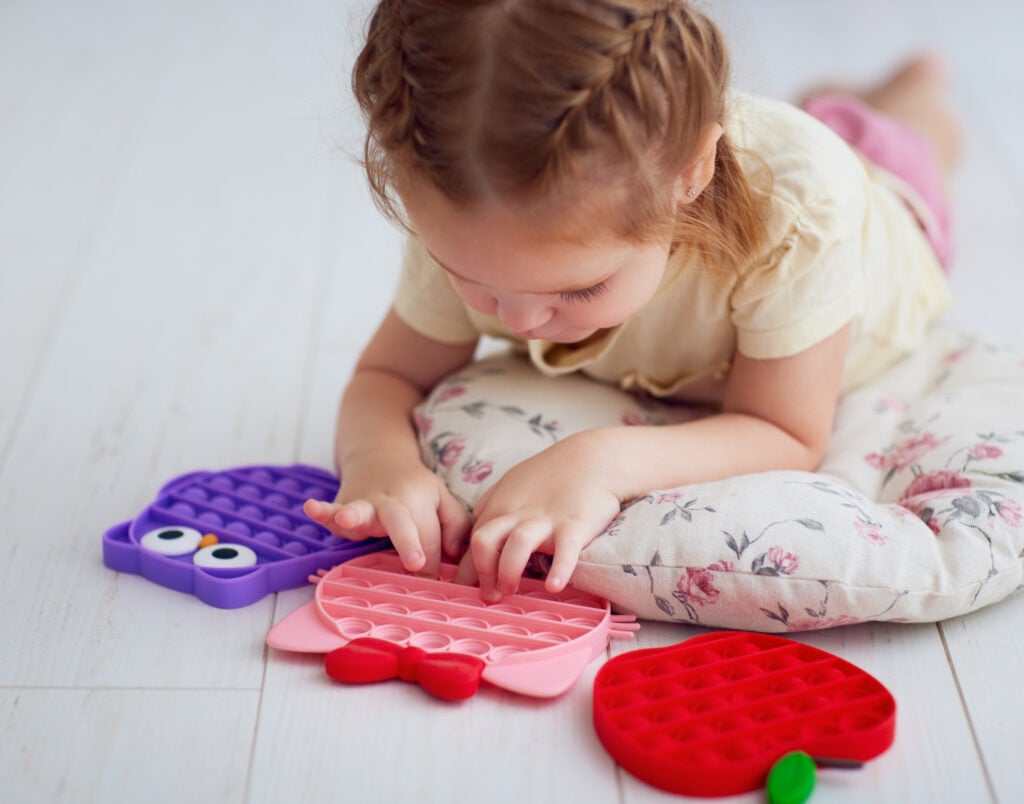
When Everyday Experiences Don’t Feel “Everyday”
If your child struggles with things that seem simple for others (like brushing their teeth, getting dressed, or sitting through a family meal), it can be hard to understand why. You may see their frustration, avoidance, or emotional outbursts and wonder what’s really going on beneath the surface.
For many children, these reactions stem from how their brains process sensory information. Certain sounds, textures, lights, or even movements may feel uncomfortable or overwhelming to them. If that’s the case for your child, everyday tasks and routines can feel like uphill battles.
In this article, we’ll take a closer look at what might be causing these difficulties, how Sensory Processing Disorder (SPD) can affect your child’s daily life, and how occupational therapy at Sensational Development can help them achieve better regulation and confidence.
What Is Sensory Processing Disorder?
Sensory Processing Disorder (SPD) is a neurological condition that affects how your child’s brain receives, organizes, and reacts to sensations like touch, sound, sight, taste, and movement. These sensations travel through the nervous system and help your child understand the world around them. But, when that system isn’t processing information as expected, everyday experiences can lead to confusion, discomfort, or frustration.
It’s important to know that SPD is not a sign of bad behavior or poor discipline. It’s a neurological difference. Some children may have difficulty filtering sensory input and become overwhelmed, while others don’t register enough input and seek constant movement or stimulation. Each child’s sensory profile is unique, and therapy can help their brain learn to respond to sensory information in a more balanced way.
The Eight Senses and How They Affect Everyday Functioning
We all know about the five senses: sight, hearing, smell, taste, and touch. But did you know there are other senses that can impact your child’s comfort and behavior? These three “hidden” senses are just as important for daily life, and they are:
- Proprioception, which helps your child know where their body is in space. It allows them to climb stairs without looking at their feet or use the right amount of pressure when holding a pencil.
- Vestibular sense, which controls balance, movement, and coordination. When it’s not working properly, a child may appear clumsy, fearful of swings, or overly drawn to spinning.
- Interoception, which helps the body recognize internal signals such as hunger, thirst, or the need to use the bathroom.
When one or more of these systems is off balance, simple activities like getting dressed, brushing teeth, or focusing in class can feel surprisingly hard. When you understand how these senses work, it helps explain why your child might struggle with things that seem easy for others.
The Different Types of Sensory Processing Challenges
Not all children with SPD experience it the same way, because every child’s sensory system is different. This condition can manifest in the following ways:
- Sensory Avoidant (Over-Responsive): Your child may react strongly to sensations like bright lights, loud sounds, or scratchy fabrics. They might cover their ears, avoid certain textures, or get upset in crowded places.
- Sensory Seeking (Under-Responsive): Your child may crave movement or touch and constantly be on the go. They might bump into things, fidget nonstop, or take risks to feel sensations more strongly.
- Combination of Seeking and Avoidant Behaviors: Many children are sensitive in some areas but crave input in others—for example, avoiding loud noises but loving fast movement or deep pressure.
Common Signs and Symptoms of SPD
Sensory challenges can appear in many ways depending on the setting, and even the intensity of symptoms can vary from day to day. Here are some examples of sensory processing challenges you might notice in your child at home, at school, and out in the community:
Signs of Sensory Processing Challenges at Home
- Meltdowns during dressing, bathing, or grooming
- Resistance to certain fabrics or food textures
- Difficulty with bedtime routines or transitions
- Overreacting to loud household noises like the vacuum or blender
- Craving rough play, jumping, or crashing into furniture
Signs of Sensory Processing Challenges at School
- Trouble sitting still or paying attention
- Avoiding group activities or playground equipment
- Difficulty with handwriting, cutting, or fine motor tasks
- Covering ears in noisy classrooms or assemblies
- Struggling to stay focused during structured activities
Signs of Sensory Processing Challenges in the Community
- Fear of loud noises or crowds
- Avoiding restaurants, parties, or busy stores
- Constant motion or touching everything in sight
- Difficulty following directions in public spaces
- Becoming anxious or withdrawn in unpredictable environments
What Parents Can Do to Support Your Child at Home
Understanding your child’s sensory needs is the first step. By making a few small adjustments, you can make a big difference in your child’s ability to regulate their body and emotions in different environments. Here are some suggestions:
- Create predictable routines: Use consistency, visual schedules, or timers to help your child know what’s coming next.
- Give transition warnings: Remind your child before changing activities (for example, “10 more minutes of playtime, then bath time”).
- Use supports in public: Headphones, ear plugs, or sunglasses can help manage loud noises and bright lights.
- Plan ahead: Choose quieter times or less crowded places for errands and activities, whenever possible.
- Provide deep pressure tools: Try a weighted blanket, lap pad, or vest to help your child feel calm and grounded.
- Encourage movement: Let your child jump, push, or pull heavy items to release energy and stay regulated between activities.
When to Seek an Evaluation for Sensory Processing Challenges
If your child’s sensory responses interfere with their daily life, it may be time to seek professional support. A pediatric occupational therapy evaluation from our experts can help identify where your child’s sensory processing is being challenged and what types of activities will help.
At Sensational Development, our evaluations are gentle and play-based. Our therapists observe how your child responds to various sensations and use this information to create a personalized therapy plan. Our goal is to understand your child better and give them the tools they need to succeed in any environment.
Reach Out to Sensational Development for Expert Support
Sensory Processing Disorder can make the world feel unpredictable; but with the right support, your child can learn to navigate it with confidence. Our experienced team at Sensational Development helps children across Massapequa and East Northport build sensory awareness, emotional regulation, and independence through individualized occupational therapy.
Call us today at (516) 799-2900 or schedule a free consultation to learn how we can help your child thrive.
Get more support just like this delivered to your inbox. When you join our free newsletter, you’ll receive fresh tips, activities, and updates to help your child thrive.
Subscribe here: https://sensationaldevelopment.us8.list-manage.com/subscribe
