
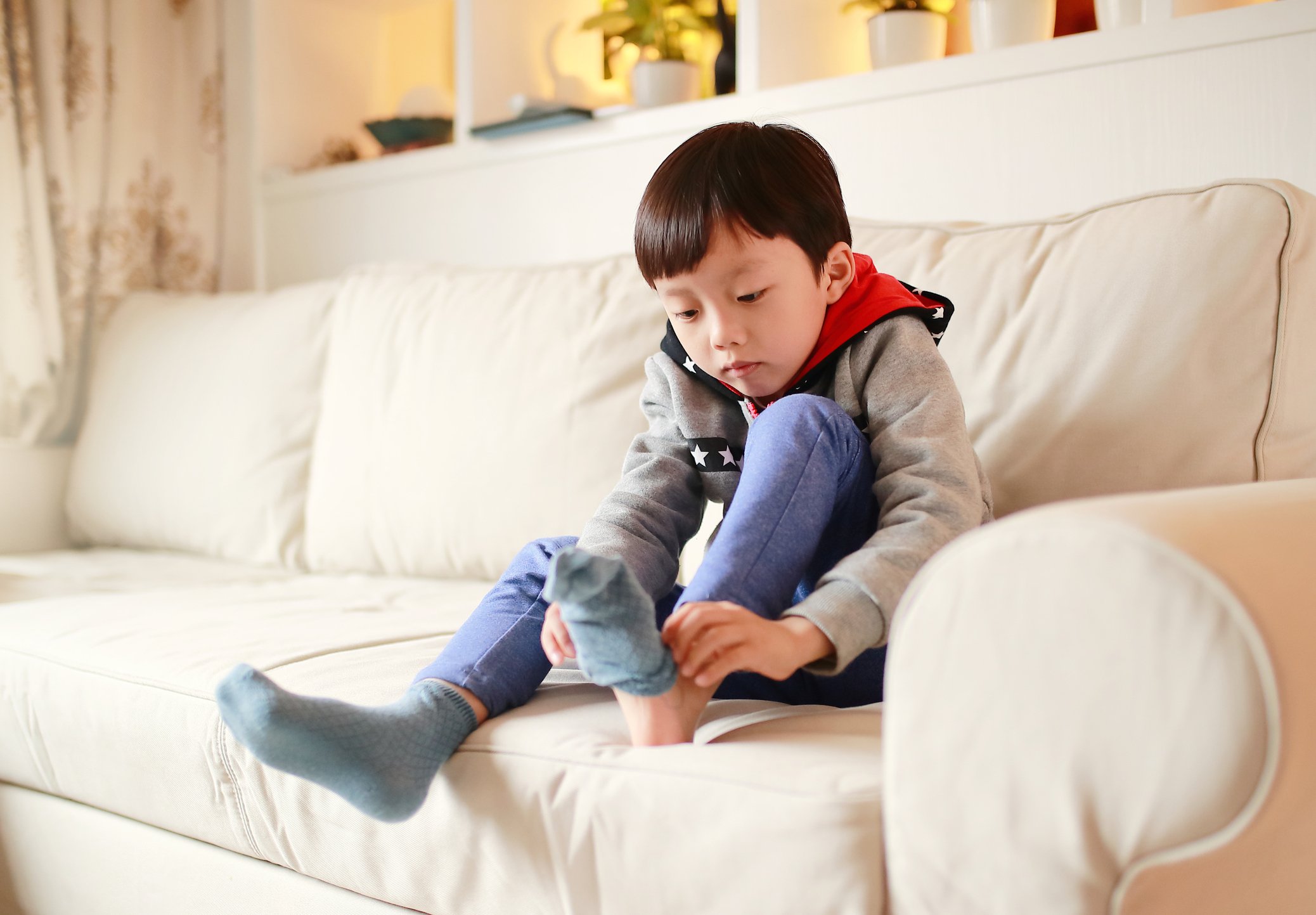
Does your child struggle with everyday tasks like getting dressed, using utensils, or following simple games during play? Do they become frustrated when trying to do things on their own, or continue to rely on you for help with tasks that should feel manageable for their age?
It’s easy to assume they’ll eventually catch up. However, ongoing difficulty with daily routines may point to challenges with the skills your child needs to do things on their own. Understanding which skills need extra support can help you better guide your child and recognize when extra help could make everyday tasks easier.
What Skills Do Everyday Tasks Require?
Everyday tasks like dressing, play, and self-care rely on several underlying developmental skills working together. When one or more of these areas needs extra help developing, even basic routines can feel overwhelming.
These developmental skills include:
- Fine motor skills: the ability to use the small muscles in the hands and fingers for tasks like buttoning, zipping, holding utensils, or manipulating small objects
- Motor planning: the brain’s ability to plan and carry out movements in the correct order, such as figuring out how to put on a shirt or use tools during play
- Sensory processing: the ability for the senses to receive and respond to input from the environment, which can affect a child’s comfort with clothing, food textures, light or sounds
- Body awareness and coordination: the ability to control and position the body during movement, helping with balance, posture, and completing everyday movements smoothly
Signs Your Child Is Experiencing Challenges with Developmental Skills
If challenges with developmental skills are affecting your child’s ability to perform daily tasks, they may:
- Avoid all tasks that require doing things on their own
- Give up quickly when a task feels too difficult
- Struggle to hold a crayon, zipper their jacket or other tasks that require hand control
- Have trouble coordinating or controlling their movements, which can lead to feeling self-conscious or frustrated
- Struggle to follow the steps needed to complete everyday tasks, such as packing their backpack or cleaning up after play
How Occupational Therapy Supports Skills Needed for Independence
If your child needs extra support developing independence with everyday tasks, occupational therapy can help. A pediatric occupational therapist identifies which developmental skills need support and creates a therapy plan tailored to your child’s unique needs.
Through targeted, play-based activities, your child can:
- Practice real-life tasks in manageable steps so they can learn how to complete daily routines with less frustration
- Build hand strength so tasks like buttoning, zipping, and holding objects feels easier and more natural
- Develop body control and coordination with fun activities like obstacle courses, kicking a ball, or playing catch
- Create tolerance for unfamiliar sensory experiences, such as new foods or fabrics, by becoming acquainted with them in a supportive, play-based way
- Develop confidence through repeated success, making them more willing to try new tasks and participate more independently
As your child strengthens these foundational skills, everyday routines often become easier, helping them feel more confident, capable, and proud of what they can do on their own.
Reach Out to Sensational Development for Support
YIf you’d like to learn more about how occupational therapy can help your child with everyday tasks, and you live in the Massapequa or East Northport, NY, area, call Sensational Development at (516) 799-2900 or fill out our online contact form to speak with a pediatric therapist. We look forward to helping your child develop the independence they need to thrive in daily life.