

Does your child have big reactions to small problems or struggle to calm down once they’re upset? Do they have frequent meltdowns or difficulty handling disappointment?
These challenges are often connected to emotional regulation, which is your child’s ability to manage their feelings and respond in a way that fits the situation. When this skill is still developing, even minor frustrations can feel overwhelming, taking the fun out of being a kid.
The good news is that emotional regulation is a skill that can be learned. With the right support, your child can feel more in control, secure, and able to participate in daily life with joy and confidence.
What Is Emotional Regulation
Emotional regulation is more than just “calming down.” It is your child’s ability to recognize what they’re feeling, manage those emotions, and respond in a way that helps them move forward. This isn’t about “good” or “bad” behavior. It’s about how your child’s brain and body work together to process the world.
For example, a child with strong emotional regulation skills might feel a sting of disappointment when a block tower falls, but they can take a breath and try again. A child struggling with emotional regulation may feel their whole world is crashing down with those blocks, leading to a shutdown that stops them from enjoying the rest of their day.
Why Is Emotional Regulation Important
Emotional regulation goes beyond the ability to “behave”: it directly impacts your child’s ability to thrive socially and academically. When your child can manage their emotions, they are more likely to:
- Participate in the classroom and school activities with confidence
- Form lasting friendships and manage their emotions during play
- Handle changes in their daily routines without becoming overwhelmed
- Feel at ease and in control throughout the day
Signs Your Child May Be Struggling with Emotional Regulation
Every child has emotional ups and downs, but the following ongoing challenges may signal that your child needs extra support:
- Experiences frequent meltdowns or intense reactions to small frustrations
- Finds it difficult to calm down once they are upset
- Becomes easily overwhelmed by noise, crowds, or changes in routine
- Struggles with moving from one activity to the next
- Avoids tasks that feel challenging or frustrating
- Has trouble expressing their feelings in words
How Occupational Therapy Helps Emotional Regulation
Occupational therapy can give your child the tools to understand and manage their emotions in everyday situations. A pediatric occupational therapist evaluates how your child responds to stress and frustration, as well as how their senses respond to their environment. From there, they create a personalized plan that supports your child’s specific needs.
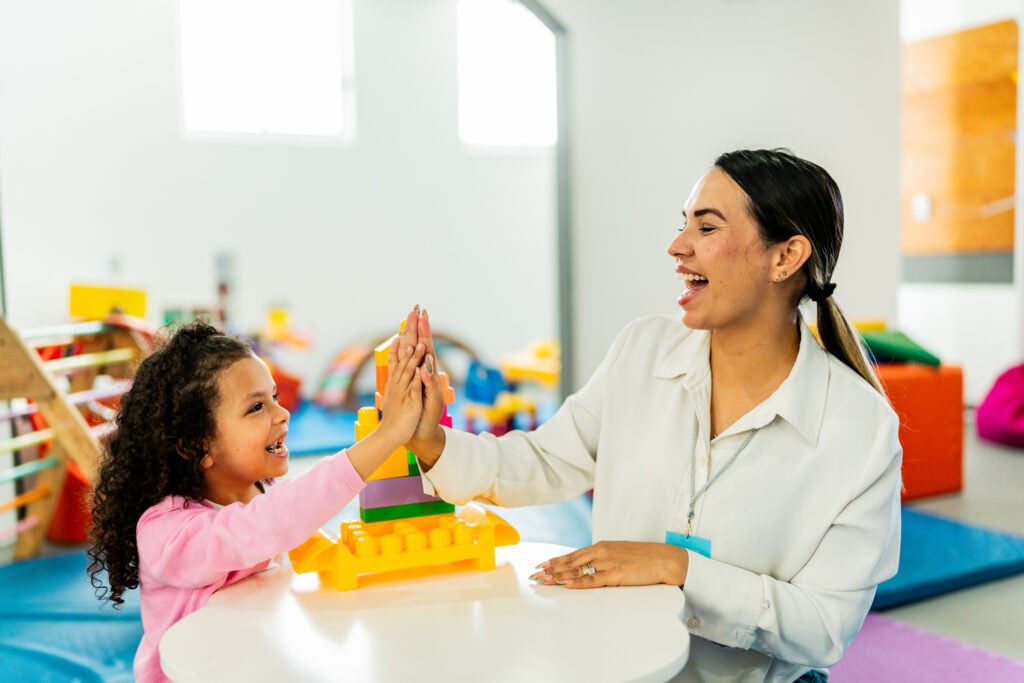
Through engaging, play-based therapy, your child learns how to recognize what they are feeling and respond in a way that helps them move forward. This may include helping your child recognize early signs of feeling overwhelmed, developing coping strategies they can use at home and school, and improving how they respond to sensory experiences like loud noises, bright lights, or busy environments.
The goal of therapy is not to eliminate emotions, but to give your child the tools to handle them in a way that feels manageable. With the right support, your child can have stronger friendships, find joy in daily activities, and feel more carefree in life.
Reach Out to Sensational Development for Support
If you’re concerned your child needs help with emotional regulation and you live in the Massapequa or East Northport, NY, area, call Sensational Development at (516) 799-2900 or fill out our online contact form to speak with a pediatric therapist. We look forward to helping your child develop the skills to feel calm and in control of their emotions so they can fully enjoy and participate in life.
