

Children experience the world through their senses. Sounds, movement, textures, and light all provide the information your child needs to make sense of their environment. For most children, this process happens in the background.
However, if your child has a genetic condition, the sensory information coming at them can feel intense, confusing, or even physically overwhelming, making it difficult to focus on anything else.
The good news is that, like many other developmental skills, your child can learn strategies that help them remain calm and focused in most environments and situations. With the right support, they can participate in daily activities with greater comfort and confidence.
What Is Sensory Regulation?
Sensory regulation is your child’s ability to successfully manage information they receive through their senses. When your child has strong sensory regulation abilities, they can filter out the hum of a refrigerator or the feel of a clothing tag to focus on what matters, like playing with a friend or listening to a teacher.
How Genetic Conditions Affect Sensory Regulation
Many genetic conditions, such as Down syndrome, Fragile X syndrome, Williams syndrome, Rett syndrome, and Prader-Willi syndrome, affect how your child’s brain filters sensory signals. This may make sensory regulation more difficult for them. Signs they are struggling with regulation include:
- Being overly sensitive to the environment: Crying or shutting down in noisy or brightly lit places like a grocery store
- Avoiding specific textures: Refusing to wear certain clothing or gagging on specific food textures
- Seeking intense input: Needing to spin, jump, or crash into furniture just to feel calm and at ease
- Experiencing frustration with routines: Having a difficult time moving from one activity to the next, such as moving from recess back to a quiet classroom
Supporting Sensory Regulation at Home
There are many simple ways you can help your child with a genetic condition become more comfortable with sensory input. These at-home activities allow your child to explore new sensations gradually while building confidence during everyday routines.
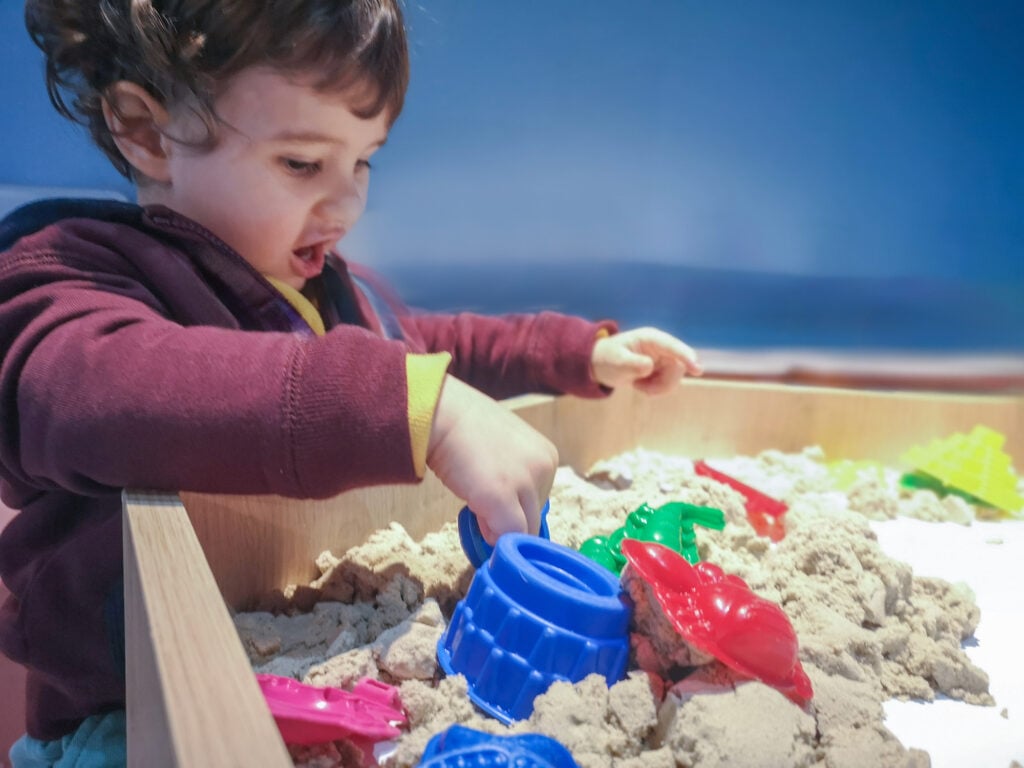
- Playing with sand, slime or play dough helps your child experience different textures in a fun, low-pressure environment
- Carrying heavier objects, pushing a laundry basket, or moving cushions provides steady physical input that many children find calming
- Jumping on a trampoline, climbing, swinging, or doing pretend animal walks helps your child release energy while practicing body control
- Drawing shapes or letters in sand, shaving cream, or finger paint helps your child learn through touch while becoming more comfortable with new sensations
- Visiting busier environments for short periods helps your child adjust to new sights, sounds, and activity levels without becoming overwhelmed
How Occupational Therapy Can Help
Pediatric occupational therapists understand how genetic conditions affect sensory processing. Using play-based therapy, a therapist helps your child improve body awareness, teaches them how to settle and refocus, and practices sensory experiences in a supportive setting.
As these skills develop, children often feel less overwhelmed by their surroundings and more confident exploring new environments. This growing self-assurance helps your child participate more comfortably in school activities, engage with friends, and take part in everyday routines with greater ease. As sensory challenges become more manageable, your child can feel more confident exploring their environment and participating in daily experiences.
Reach Out to Sensational Development for Support
If your child has a genetic condition and needs support with sensory regulation, and you live in the Massapequa or East Northport, NY, call Sensational Development at (516) 799-2900 or fill out our online contact form to speak with a pediatric occupational therapist. We look forward to helping your child build the skills they need to feel comfortable and in control of their environment so they can participate more fully in daily life.
